 Skip to content
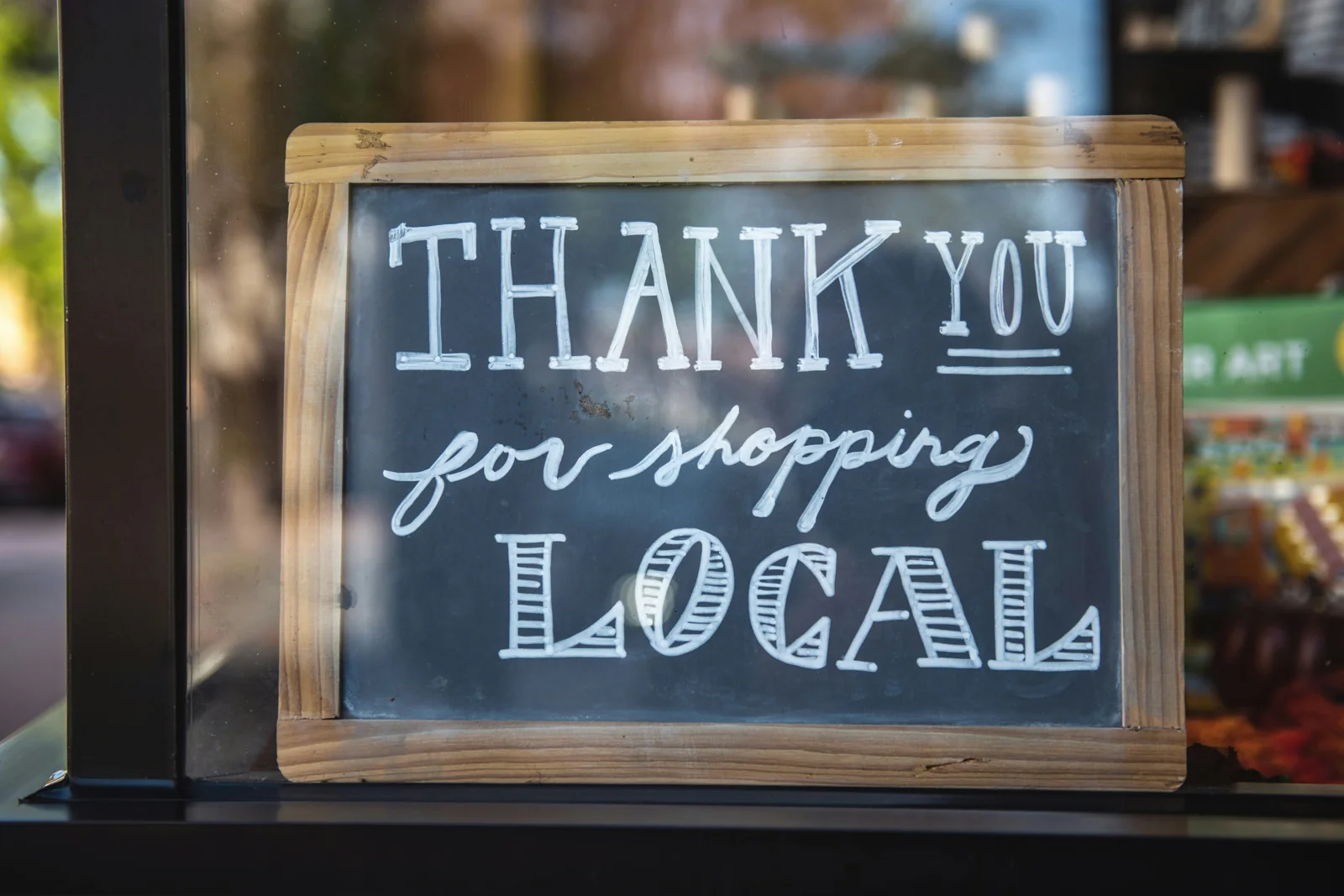
Digital marketing for local service businesses isn’t the same as for national brands or eCommerce stores. You’re not trying to reach everyone. You’re trying to reach your people—the ones who live, work, and spend money in your service area. And that changes everything about how you market.
When you run a local service business, your leads come from a tight radius. That means most of your local services digital marketing has to pull from nearby rather than spray messaging everywhere and hope for conversions. You need attention from real prospects who can actually do business with you—not from random traffic that looks good on paper but never turns into revenue.
Local digital marketing is about visibility, trust, and timing within your zip codes. It’s showing up where people search when they need help right now—a broken heater, a flooded basement, a backed-up drain. It’s showing up again next week when they drive past your job sign or check reviews before calling. And it’s being the name that pops into their head when they start a group thread: “Anyone know a good [insert your service]?”
But there are challenges. National competitors with big budgets might be bidding on your home turf. Online directory ads can bury your real presence beneath noisy promotions. And sometimes your biggest competitors aren’t even online much, making your job harder to stand out when search results are light on substance.
That’s also where the opportunity lies. Most local businesses still get digital marketing wrong. They invest in a website without any plan to get traffic. They dabble on social media without strategy. They rely on word-of-mouth without giving it any structure. Meanwhile, smart local owners who learn how to drive intentful traffic, secure strong review profiles, and rank in their local map packs are getting more leads without spending more hours hustling referrals.
If you’re serious about growing, your digital presence must do more than exist—it needs to actually work. It should attract, engage, and convert the right people from your local audience. That means aligning your online efforts with the way real people in your community search, click, compare, and decide who to hire.
Your brand doesn’t need to be everywhere. It needs to be in the right places in front of the right local prospects, consistently.
Core Lead Generation Channels That Actually Work for Local Services

If you want reliable leads coming in week after week, you need more than just a decent website or a Facebook page. You need a lead generation system that focuses on the few digital channels that move the needle for local service businesses.
Here’s the short list that matters:
Local SEO: Your Digital Storefront
Ranking in local search isn’t optional. It’s how customers find you when they’re ready to hire someone. If you’re not showing up on Google Maps when someone types in “[your service] near me” or “[your city] [service],” you’re handing those leads to someone else. Local SEO helps you show up where it counts — in organic results, the map pack, and your Google Business Profile.
What drives it?
- Optimized Google Business Profile (with real photos, accurate categories, and FAQs)
- Local keywords on your site and pages built for the exact services people search for
- Consistent business info (name, address, phone) across the web
- Current, helpful reviews from real local customers
Pay-Per-Click Ads (PPC): Leads Now, Not Later
If you need leads right away or want to dominate competitive service areas, PPC can get you there faster than SEO. With the right campaign targeting your zip codes and keywords that show strong intent (think “emergency [service]” or “same-day [service]”), Google Ads and Local Services Ads can drive high-quality calls within hours.
Don’t throw money at broad keywords. Tight targeting, compelling ad copy, and proper tracking (calls, clicks, form fills) will turn your spend into actual bookings.
Social Media: Talk Where Your Community Hangs Out
Social media won’t replace your search traffic, but it builds familiarity and trust. People buy from businesses they see regularly. A mix of behind-the-scenes posts, current projects, customer shoutouts, and educational content can help you stay top-of-mind. Organic reach is lower than it used to be, but boosting the right posts in your city can generate targeted visibility and engagement fast.
This works best when paired with a content strategy and consistent posting schedule. Random posts make you look inactive. Planned posts make you look like a leader in your space.
Email Marketing: Nurture for the Long Sell
Most local services don’t follow up well. Email lets you fix that. Whether it’s monthly newsletters with seasonal tips or short follow-ups after someone gets an estimate but doesn’t book, email helps you stay in their heads until they’re ready to act. Build a list, send value-packed messages, and stay relevant between visits or inquiries.
The right mix of these four channels gives you lead coverage from all angles. Some prospects search Google. Some scroll Facebook. Some sit undecided in your inbox. Stop letting those leads slip through the cracks.
Every local business needs a traffic plan that turns online visibility into actual paying jobs.
Optimizing for Local Search Dominance
If you’re not ranking in local search, you’re invisible to the people most likely to hire you. Plain and simple. Most of your paying customers don’t flip through directories or scroll social media looking for help. They open Google, type what they need, and call someone near them. If that’s not you, you’re losing money daily.
Google Business Profile: Your Local Listing Powerhouse
Your Google Business Profile (formerly Google My Business) is prime real estate. It’s the first thing people see when they search for services like yours in your area. If it’s not claimed, incomplete, or poorly maintained, your credibility tanks before you even get a chance to bid a job.
Make sure this is handled:
- Accurate business info: name, address, and phone must match exactly everywhere.
- Updated hours and service areas: include holiday hours and zip codes you cover.
- Photos: real shots of your work, team, vehicles, and jobs (not stock photos).
- Categories and attributes: choose ones that reflect your exact services.
- Q&A and updates: use the tools to answer common questions and post relevant updates or offers.
Local Keyword Targeting That Matches Search Intent
Don’t just stuff your website with your service name and hope it ranks. You need to build pages around specific search terms real locals are typing. That means creating location-specific service pages and using city + service phrasing that matches how people search right before they convert. Think “water heater repair in [your city]” or “emergency tree removal near [your zip code]”.
This works best when supported by:
- Clear service menus across your website
- Helpful internal linking between related service pages
- Unique content for each target location (not copy-pasted)
NAP Consistency: No Loose Ends Across the Web
Your Name, Address, and Phone number (NAP) must stay 100% consistent on every listing, directory, and website you’re on. Search engines cross-check this data to validate your trustworthiness. If your info is outdated or shows variations, it kills your local authority. Your website, Google profile, Yelp, Facebook, and every online listing should read exactly the same.
Earn Real Reviews That Actually Help Your Ranking
Reviews don’t just build trust with prospects, they also send trust signals to search algorithms. More reviews, especially with keywords and location mentions, help boost your map visibility. Aim for steady, frequent, and authentic reviews on Google. Ask happy customers post-service. Make it easy and routine.
This isn’t about luck or hope. It’s about consistent visibility earned by showing up the right way in the right places.
Want to dominate your local rankings? Get your Google presence tight, target the right keywords, stay consistent everywhere, and win reviews that work for you, not just flatter you.

Building Strong Brand Awareness in the Local Community
Brand awareness isn’t some vague marketing goal. For local service businesses, it’s about becoming the go-to name people remember when a specific need pops up—usually with urgency. You want to be the first thought when someone says, “Who should I call for this?” That means building real visibility among the people who live and spend in your service area.
Start with Strategic Content That Speaks Locally
If your content doesn’t feel local, it doesn’t stick. You’re not writing blog posts or filming videos for internet strangers. You’re speaking to homeowners, property managers, and business owners across your zip codes. Focus your content on seasonal issues, local regulations, neighborhood trends, and the types of problems your customers actually face.
Use a content framework like this:
- How-to posts and videos: Simple fixes, what to expect guides, or service preparation tips in your area.
- Local updates: Talk about road closures, extreme weather, or community standards that affect your service.
- Service spotlights: Break down each of your core services using city-specific contexts.
You don’t need to post every day. You just need the right content that reinforces what you do, where you do it, and why people should trust you to handle it.
Build Social Proof That Matters Locally
People want reassurance before they choose a service provider. Social proof fills that gap. This includes reviews, photos of completed jobs, shoutouts from local pages, and any digital proof that you’re active and reliable within your community.
Set up a feedback loop that consistently puts local social proof in front of new prospects:
- Ask for short reviews after every job
- Feature customer quotes and work photos in regular posts
- Use screenshots (not links) to showcase positive messages from clients
Engage Where Your Community Actually Shows Up
Don’t just broadcast content. Show up and participate. Local communities hang out in different online pockets—Facebook groups, Neighborhood apps, local events pages. Join the conversation, comment where relevant, and be known by name, not just brand.
If you’re too busy to monitor manually, assign someone on the team or schedule a weekly check-in. This isn’t about going viral. It’s about showing up, consistently and authentically, so people associate your name with reliability and presence.
Create Messaging That Reflects Their Day-to-Day Reality
Your brand voice should sound like it belongs in your city. Drop the polished corporate speak. Use the language your customers use, answer the questions they’re actually asking, and reflect the urgency or emotion tied to your service. For many homeowners, calling a local pro happens at a stressful or unpredictable time. Show them you get it.
This isn’t about brand perfection. It’s about brand familiarity. If people keep seeing your name, hearing your tone, and recognizing your work, you become the easy choice when the moment hits.
Stay present, stay local, and communicate like a neighbor—not just a service provider.
Leveraging Technology and Tools for Efficient Lead Management
Getting leads is only half the battle. Managing those leads effectively is what turns interest into booked jobs. If your follow-up is slow, disorganized, or inconsistent, you’re leaking revenue every single week. The right tools help you tighten that gap.
Use a CRM That’s Built for Service Businesses
CRM stands for Customer Relationship Management, and if you’re still juggling contacts through voicemail, sticky notes, and inbox clutter, you’re working too hard. A good CRM puts every lead, conversation, and job stage in one spot. You’ll know who called, what they needed, when to follow up, and where they are in the decision process.
Look for a platform that lets you:
- Track every lead from first contact through final sale
- Tag leads by service type, urgency, and location
- Set reminders and automated follow-ups
- View full customer history before picking up the phone
If leads aren’t organized, you can’t follow up reliably. And missed follow-ups cost real money.
Automate the Stuff You Shouldn’t Be Doing Manually
Follow-ups, confirmation texts, post-service review requests—these eat up your time if you do them by hand. Marketing automation software helps you put the most common lead touchpoints on autopilot without sounding robotic. Pre-built templates + smart timing = better consistency without more work.
Here’s what you can automate:
- Instant replies when someone fills out a contact form
- Reminder emails or texts for upcoming appointments
- “It’s been a while…” nudges to old leads
- Review requests after completed jobs
None of this replaces real customer service. It just makes sure you never forget to send it.
Make Your Data Work For You with Analytics
You don’t need to be a data nerd to use basic analytics. But you do need visibility. If you don’t know where your best leads come from, you’ll end up throwing money at what doesn’t work. Google Analytics, call tracking, and native reports from your ad platforms or CRM can help you spot what’s working and what needs refining.
Track by:
- Source: Google, Facebook, local directories, etc.
- Quality: which sources lead to actual bookings
- Response time: how quickly you contact new leads
- Conversion rate: from contact to job scheduled
Better leads start with better tracking. You can’t improve what you’re not measuring.
If your lead pipeline feels messy or inconsistent, it’s not your service—it’s your tech stack. Fix that, and you gain time, trust, and more booked work without chasing every call manually.

Measuring Success and Continuous Improvement
If you’re not actively measuring what’s working and what’s not, your digital marketing becomes guesswork. Growth doesn’t happen randomly. You need to know where leads are coming from, how they’re converting, and what parts of your strategy are worth doubling down on—or tossing out entirely.
Track What Actually Moves the Needle
Not every metric matters. You don’t need to obsess over social likes or blog post views if they never lead to booked jobs. Focus on KPIs (Key Performance Indicators) that tie directly to revenue and visibility in your local area.
- Leads by Source: Know where each lead came from—Google Search, Google Ads, social posts, directory listings, referrals, etc.
- Cost per Lead: For paid channels, calculate what you’re spending to get each inquiry or call.
- Conversion Rate: Track how many website visitors, form submissions, or ad clicks actually turn into booked jobs.
- Quote to Close Ratio: If you send out 10 proposals, how many hire you?
- Local Search Ranking: You don’t need to rank for everything, just for the terms people in your area actually type in when they’re hiring.
Quick test: If someone asked you what your best-performing channel was last month, and you can’t answer in under 10 seconds, it’s time to clean this up.
Evaluate Consistently, Not Just When Things Get Quiet
Don’t wait for a slow month or marketing fire drill to look under the hood. Monthly reviews keep your team focused, your dollars working smarter, and your growth steady. Set a recurring time to check performance across your channels and ask hard questions:
- Which sources are bringing in leads consistently?
- Which campaigns stalled or underperformed?
- Where are we getting high lead volume but low booking rates?
- Is our local SEO holding strong or slipping?
You don’t need to overhaul your marketing every month. You just need to make smarter tweaks based on real data.
Adapt Faster Than Your Competitors
Local markets change. Competitors enter or leave. Weather shifts what people search for. Platforms move the goalposts. If your digital marketing strategy is stuck in last season’s plan, don’t expect this season’s leads to show up. Use your data to make fast, confident decisions.
Try this basic improvement cycle:
- Review metrics monthly
- Spot weak points or new patterns
- Test one or two adjustments (don’t overcomplicate it)
- Track results for [insert reasonable period]
- Double down on what improves, cut what doesn’t
The local business that moves fastest and adapts with clarity? That’s the one who wins the next batch of calls.